Exploring Tranquility: A Journey to Tibetan Monasteries in Nepal

Nepal,

a country renowned for its majestic Himalayas.

Nepal,a country renowned for its majestic Himalayas.vibrant culture, and deep spiritual heritage, is also home to a collection of Tibetan monasteries that offer a unique window into Tibetan Buddhism. Nestled amidst the serene landscapes of this South Asian country, these monasteries are not just places of worship but also centers of learning and tranquility. If you’re seeking a journey of peace and spiritual discovery, a visit to a Tibetan monastery in Nepal might just be what you’re looking for.

Swayambhunath Stupa (Monkey Temple): A Spiritual Icon

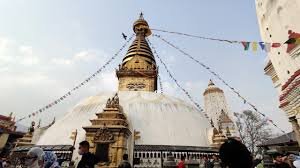
Swayambhunath, also known as the Monkey Temple due to the resident monkey population, is a UNESCO World Heritage Site and one of the most sacred Buddhist sites in Nepal. This ancient stupa sits atop a hill overlooking Kathmandu and is an important pilgrimage site for Buddhists. The stupa’s iconic mandala design and the all-seeing eyes of Buddha symbolize wisdom and compassion

The stupa’s design follows the classic Buddhist architectural style, featuring a massive dome topped with a golden spire. Its eyes, painted on all four sides of the tower, symbolize the omnipresence of the Buddha and are a focal point of the stupa’s symbolic meaning. The eyes are often accompanied by a third eye, representing wisdom and insight.

Visitors must climb a steep, 365-step staircase to reach the stupa, offering panoramic views of Kathmandu and the surrounding valley. Along the ascent, pilgrims and tourists alike can observe various shrines, statues, and prayer wheels that contribute to the site’s spiritual ambiance.

Swayambhunath is not only a place of worship but also a symbol of the harmonious blend of cultural and religious traditions in Nepal. It represents a convergence of Buddhist teachings and local practices, making it a rich site for both historical exploration and spiritual reflection. The stupa is a UNESCO World Heritage Site, underscoring its global significance as a monument of historical and cultural importance.

Cultural Extravaganza: Festivals You Shouldn’t Miss in Nepal

Introduction: Nepal, a land of diversity and harmony, comes alive with vibrant festivals that reflect its rich cultural heritage. Throughout the year, the country celebrates a variety of festivals, each with its own unique traditions, rituals, and significance. This blog will explore some of the most important festivals in Nepal, offering insights into their cultural importance and how travelers can participate.

3.1. Dashain: The Festival of Victory and Good Fortune Dashain is the most important and longest Hindu festival in Nepal, celebrated with great enthusiasm across the country. It symbolizes the victory of good over evil, commemorating the triumph of Goddess Durga over the demon Mahishasura.

  • Celebration: The festival lasts for 15 days, with the most significant days being Fulpati, Maha Ashtami, Maha Navami, and Vijaya Dashami. Families gather to receive tika (a mixture of rice, yogurt, and vermilion) and blessings from elders.
  • Cultural Significance: Dashain is a time for family reunions, feasting, and worship. It is a period of renewal, where homes are cleaned, new clothes are worn, and people seek blessings for prosperity and good fortune.
  • Travel Tips: Visiting Nepal during Dashain offers a unique cultural experience, but travelers should be mindful of the increased demand for transportation and accommodation.

3.2. Tihar: The Festival of Lights Tihar, also known as Deepawali, is a five-day festival that honors different animals, including crows, dogs, cows, and oxen, and culminates in the worship of Laxmi, the goddess of wealth.

  • Celebration: The festival is marked by the lighting of oil lamps, decorating homes with colorful rangoli (patterns made with colored powders), and singing traditional songs known as Deusi-Bhailo.
  • Cultural Significance: Each day of Tihar has a special significance. The most vibrant celebration is on Laxmi Puja, where homes are illuminated to welcome the goddess of wealth and prosperity.
  • Travel Tips: Travelers can participate in the lighting of lamps and enjoy the festive atmosphere in cities like Kathmandu and Pokhara. It’s also a time to experience traditional Nepali hospitality.

Discover the Hidden Gems of Nepal: Off-the-Beaten-Path Destinations

Introduction: Nepal is often associated with its famous landmarks like Mount Everest, Kathmandu, and Pokhara, but beyond these popular destinations lies a treasure trove of hidden gems waiting to be discovered. For the intrepid traveler who seeks solitude, unspoiled landscapes, and unique cultural experiences, Nepal offers numerous off-the-beaten-path destinations that promise unforgettable adventures.

1.1. Dolpo: The Land of the Hidden Valleys Dolpo, situated in the far-western region of Nepal, is a remote and mystical land, often described as one of the last enclaves of Tibetan culture. The region, which is divided into Lower and Upper Dolpo, is home to ancient monasteries, crystal-clear lakes, and traditional villages that seem untouched by time.

  • Highlight: Trekking through Shey Phoksundo National Park, visiting Shey Gompa, and witnessing the pristine beauty of Phoksundo Lake.
  • Travel Tips: Best visited during the spring and autumn seasons, and travelers should be prepared for basic accommodations and high-altitude trekking.

1.2. Rara Lake: The Queen of Lakes Rara Lake, Nepal’s largest lake, is a sparkling jewel nestled in the remote Mugu district. The lake is surrounded by the Rara National Park, which is rich in biodiversity and offers a serene escape from the hustle and bustle of urban life.

  • Highlight: Boating on the tranquil waters of Rara Lake, exploring the surrounding forests, and experiencing the local Thakuri culture.
  • Travel Tips: Accessing Rara Lake requires a flight to Talcha Airport followed by a trek. The best time to visit is from April to November.

1.3. Upper Mustang: The Last Forbidden Kingdom Upper Mustang, often referred to as the “Last Forbidden Kingdom,” is a place of stark, barren landscapes and ancient Tibetan culture. The region’s unique topography and the centuries-old walled city of Lo Manthang make it a fascinating destination for those interested in history and culture.

  • Highlight: Exploring the ancient caves, monasteries, and the walled city of Lo Manthang. The Tiji Festival, held annually, is a vibrant celebration worth witnessing.
  • Travel Tips: A special permit is required to enter Upper Mustang, and the region is best visited from May to October.

Conclusion: Nepal’s hidden gems offer more than just stunning landscapes; they provide a deeper connection to the country’s rich cultural and spiritual heritage. These off-the-beaten-path destinations are perfect for travelers looking to explore Nepal beyond the usual tourist trails.

Trekking in Nepal: A Guide to the Most Iconic Trails

Introduction: Nepal is a trekker’s paradise, home to some of the most famous and challenging trails in the world. From the base of the world’s highest peak to the lush rhododendron forests of the Annapurna region, Nepal offers a variety of trekking experiences that cater to all levels of adventure seekers. This guide will take you through the most iconic trails, helping you plan your ultimate trekking adventure in Nepal.

2.1. Everest Base Camp Trek: A Journey to the Roof of the World The Everest Base Camp Trek is perhaps the most iconic trek in the world. This challenging yet rewarding journey takes you through the heart of the Khumbu region, offering breathtaking views of Everest and its neighboring peaks.

  • Trail Overview: Starting from Lukla, the trail passes through Namche Bazaar, Tengboche Monastery, and Gorak Shep before reaching the base camp.
  • Highlights: The panoramic view of Everest from Kala Patthar, the Sherpa culture, and visiting the historic Tengboche Monastery.
  • Travel Tips: The best time to trek is during the pre-monsoon (March-May) and post-monsoon (September-November) seasons. Proper acclimatization is crucial to avoid altitude sickness.

2.2. Annapurna Circuit Trek: The Classic Himalayan Trek The Annapurna Circuit is one of Nepal’s most diverse treks, offering everything from lush subtropical forests to arid landscapes, and culminating in the high-altitude Thorong La Pass.

  • Trail Overview: The trek starts in Besisahar and follows the Marsyangdi River valley, passing through villages like Manang and Jomsom before reaching the Thorong La Pass at 5,416 meters.
  • Highlights: Crossing the Thorong La Pass, the spiritual Muktinath Temple, and the changing landscapes as you circle the Annapurna massif.
  • Travel Tips: The best trekking seasons are spring (March-May) and autumn (September-November). Be prepared for varying weather conditions and carry proper trekking gear.

2.3. Langtang Valley Trek: The Short and Sweet Himalayan Experience The Langtang Valley Trek is a relatively short trek, but it offers stunning views of the Langtang Himal range and a deep immersion into the local Tamang culture.

  • Trail Overview: Starting from Syabrubesi, the trek follows the Langtang River to the village of Kyanjin Gompa, offering views of glaciers and snow-capped peaks.
  • Highlights: Exploring the Kyanjin Gompa, hiking up to Tserko Ri for panoramic views, and experiencing the warm hospitality of the Tamang people.
  • Travel Tips: This trek can be done in 7-10 days, making it ideal for those with limited time. The best time to trek is from March to May and September to November.

2.4. Manaslu Circuit Trek: The Remote and Rugged Adventure For those seeking a more remote trekking experience, the Manaslu Circuit Trek offers a journey around the world’s eighth-highest peak, Manaslu, with fewer crowds and a sense of solitude.

  • Trail Overview: The trek begins in Soti Khola and takes you through diverse landscapes, from subtropical forests to the barren heights of the Larkya La Pass at 5,135 meters.
  • Highlights: The challenging Larkya La Pass, the remote villages of Samagaon and Samdo, and the stunning views of Manaslu and the surrounding peaks.
  • Travel Tips: A special permit is required for this trek, and it’s best done between March-May and September-November. The trail is less developed, so be prepared for basic accommodations.

2.5. Mardi Himal Trek: The Hidden Gem of the Annapurna Region The Mardi Himal Trek is a lesser-known trek in the Annapurna region, offering stunning views of the Annapurna range and Machhapuchhre (Fishtail) without the crowds.

  • Trail Overview: Starting from Kande or Phedi, the trek takes you through rhododendron forests and alpine meadows to the Mardi Himal Base Camp.
  • Highlights: The sunrise view from Mardi Himal Base Camp, the close-up views of Machhapuchhre, and the tranquility of the trail.
  • Travel Tips: The trek can be completed in 4-7 days, making it a great option for those with limited time. The best seasons are spring and autumn.

Conclusion: Trekking in Nepal is not just about reaching a destination; it’s about the journey itself. Whether you’re a seasoned trekker or a beginner, Nepal’s trails offer something for everyone. Proper preparation, respecting local cultures, and being mindful of the environment will ensure a rewarding and unforgettable trekking experience.